
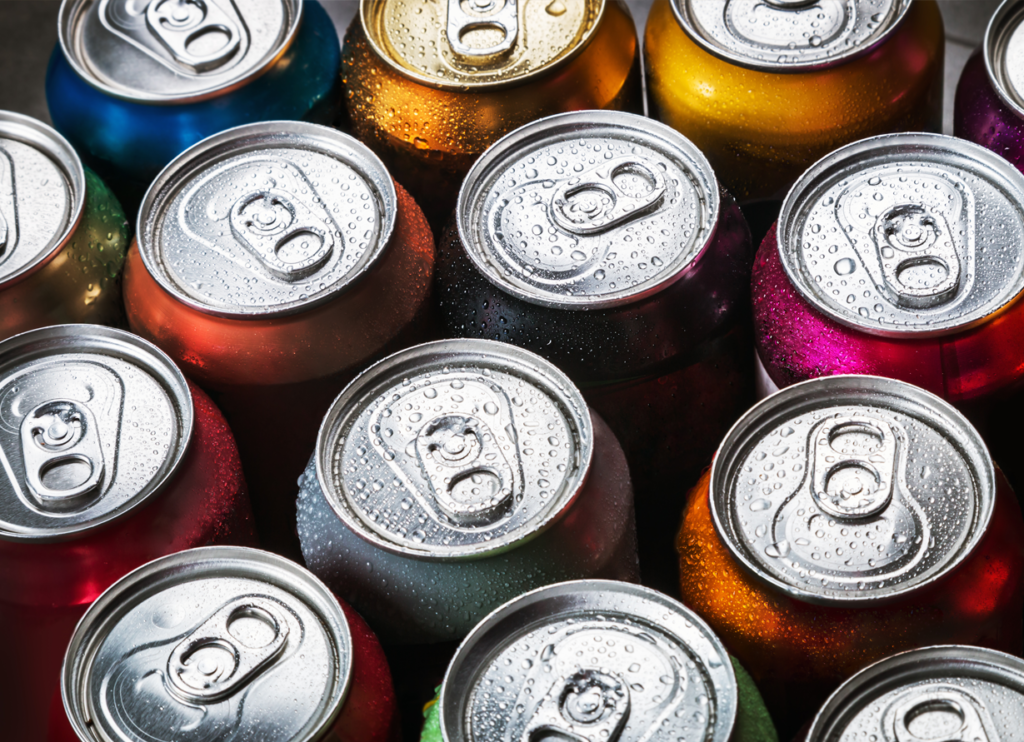
The food industry relies heavily on metal treatments to guarantee hygiene, corrosion resistance, durability, and food safety. From industrial machinery to food containers and preparation surfaces, treated metals play a crucial role in maintaining production efficiency and protecting consumers. Common treatments such as chrome plating and tin plating are widely used because they improve wear resistance, prevent oxidation, and extend the lifespan of food-processing equipment.
At the same time, manufacturers and food businesses increasingly search for answers about food-safe paints for metal, FDA-approved materials, and heat-resistant coatings suitable for food environments. Understanding which metals and treatments are compliant with food safety regulations is essential for selecting the right materials for kitchens, factories, and food packaging systems.
What Metals Are Used in the Food Industry?
The food industry uses several metals because of their resistance to corrosion, ease of cleaning, durability, and compliance with hygiene standards.
The most commonly used metals include:
| Metal | Main Use in Food Industry | Key Advantages |
|---|---|---|
| Stainless Steel | Machinery, tanks, countertops | Corrosion resistant, hygienic |
| Aluminum | Packaging, trays, utensils | Lightweight, conductive |
| Tin-Plated Steel | Food cans and containers | Protects against oxidation |
| Chromium-Coated Steel | Industrial machinery | Wear resistant |
| Copper | Specialized cookware | Excellent heat conductivity |
| Cast Iron | Cooking equipment | Heat retention |
| Titanium | High-end industrial systems | Chemical resistance |
Among these, stainless steel is considered the dominant material because it combines mechanical strength with excellent hygienic properties.
Why Metal Treatments Are Essential in Food Processing
Metal treatments are functional processes designed to improve the performance and longevity of industrial equipment and food packaging systems.
Two of the most common treatments are:
Thick Chrome Plating
Thick chrome plating deposits a substantial layer of chromium onto a metal surface. This treatment provides:
- High wear resistance
- Reduced friction
- Improved oil retention
- Better durability in high-production environments
Food-processing machinery often uses thick chrome plating because moving parts are exposed to continuous mechanical stress.
Tin Plating
Tin plating is an electrolytic treatment where metallic tin is deposited onto steel surfaces. Tin-plated steel, commonly called tinplate, is widely used in food cans and packaging.
Its main benefits include:
- Corrosion prevention
- Protection against food contamination
- Longer shelf life for packaged foods
- Resistance to acidic food products
This treatment has been essential for food preservation for decades.
What Metals Are FDA Approved?
The U.S. Food and Drug Administration (FDA) regulates materials that come into contact with food. FDA-approved metals are considered safe for food processing, storage, cooking, and packaging when properly manufactured and maintained.
The most widely accepted FDA-compliant metals include:
Stainless Steel
Stainless steel grades such as 304 and 316 are FDA-approved and extensively used in:
- Food manufacturing equipment
- Commercial kitchens
- Brewing systems
- Dairy processing plants
Grade 316 stainless steel offers additional resistance against salt and acidic environments.
Aluminum
Aluminum is FDA-approved for many food-contact applications. It is commonly used for:
- Beverage cans
- Baking trays
- Foil packaging
However, untreated aluminum may react with acidic foods, which is why protective coatings are often applied.
Tin
Tin coatings are FDA-compliant and frequently used in food packaging. Tin protects steel from oxidation while maintaining food integrity.
Titanium
Titanium is considered food safe and highly resistant to corrosion, although its high cost limits widespread use.
What Is the Best Metal for Food-Safe Applications?
Stainless steel is widely considered the best metal for food-safe environments.
Why Stainless Steel Is Preferred
Stainless steel offers multiple advantages:
- Non-porous surface
- Easy sanitation
- Excellent corrosion resistance
- Resistance to bacteria accumulation
- Long operational lifespan
- Heat and chemical resistance
Food manufacturers prefer stainless steel because it supports strict hygiene protocols required by international food safety standards.
Best Stainless Steel Grades for Food
304 Stainless Steel
This is the most common food-grade stainless steel. It is ideal for:
- Kitchen equipment
- Food preparation tables
- Storage tanks
- Pipes
316 Stainless Steel
This grade contains molybdenum, improving resistance to chlorides and acidic substances. It is often used in:
- Seafood processing
- Pharmaceutical food production
- Salty food environments
Which Metal Is Good for Food Preparation?
Several metals are suitable for food preparation, but each serves different purposes.
Stainless Steel for Professional Kitchens
Stainless steel remains the top choice because it is:
- Durable
- Non-reactive
- Easy to clean
- Resistant to staining
Professional chefs and industrial kitchens rely heavily on stainless steel surfaces and utensils.
Copper for Cooking Precision
Copper provides excellent heat conductivity, making it ideal for premium cookware. However, copper usually requires a stainless steel lining to prevent reactions with food.
Cast Iron for Heat Retention
Cast iron is excellent for high-temperature cooking and heat retention. Proper seasoning creates a naturally non-stick cooking surface.
Aluminum for Lightweight Equipment
Aluminum is lightweight and affordable, although anodized or coated versions are preferred in food preparation to avoid chemical reactions with acidic ingredients.
Food Safe Paints for Metal
Food-safe paints are specialized coatings designed for surfaces that may come into indirect or direct contact with food.
These paints are commonly used on:
- Industrial food machinery
- Storage tanks
- Commercial kitchen structures
- Food transport systems
Characteristics of Food-Safe Paints
A high-quality food-safe metal paint should provide:
- Non-toxic formulation
- Chemical resistance
- Moisture resistance
- Easy cleaning
- Heat resistance
- FDA or EU food-contact compliance
Epoxy-based coatings are among the most common food-safe paints used in industrial applications.
Common Types of Food-Safe Coatings
| Coating Type | Main Advantage | Typical Use |
|---|---|---|
| Epoxy Coating | Chemical resistance | Tanks and machinery |
| Powder Coating | Durable finish | Kitchen equipment |
| Ceramic Coating | Heat resistance | Cooking surfaces |
| Silicone-Based Paint | High temperature stability | Ovens and grills |
Where to Buy Food Safe Paint for Metal
Food-safe paints can be purchased from specialized industrial suppliers, coating manufacturers, and commercial distributors focused on food-grade applications.
When purchasing food-safe paint, businesses should verify:
- FDA compliance certification
- EU food-contact approval
- Temperature resistance ratings
- Chemical compatibility
- Cleaning and sanitation resistance
Recommended Suppliers
Food-grade coatings are often available through:
- Industrial coating distributors
- Restaurant equipment suppliers
- Food processing equipment manufacturers
- Specialized online industrial marketplaces
Before purchasing, it is essential to review the technical data sheet and confirm that the coating is suitable for the intended food-processing environment.
Heat Resistant Food Safe Paint
Heat-resistant food-safe paint is designed for metal surfaces exposed to high cooking or industrial temperatures.
These coatings are essential for:
- Ovens
- Grills
- Food-processing machinery
- Industrial baking systems
- Smokers and barbecue equipment
Key Features
A heat-resistant food-safe coating should offer:
- Resistance to thermal shock
- Stability at high temperatures
- Non-toxic composition
- Protection against corrosion
- Long-term adhesion
Some advanced silicone and ceramic coatings can withstand temperatures above 500°F (260°C).
Why Heat Resistance Matters
Without proper heat-resistant coatings, metal surfaces may:
- Corrode faster
- Release contaminants
- Lose structural integrity
- Develop cracks or peeling
This is particularly important in industrial food manufacturing, where hygiene and safety standards are extremely strict.
The Future of Metal Treatments in the Food Industry
The food industry continues to evolve toward safer, more sustainable, and higher-performance metal treatments.
Modern innovations include:
- Nano-coatings for antimicrobial protection
- Eco-friendly plating technologies
- Advanced ceramic treatments
- Smart corrosion-monitoring systems
- Sustainable food-safe coating materials
Manufacturers increasingly focus on reducing environmental impact while maintaining strict food safety compliance.
FAQ About Metals and Food Safety
What is the safest metal for food contact?
Stainless steel, especially grades 304 and 316, is generally considered the safest and most reliable metal for food-contact applications.
Are all stainless steels food safe?
No. Only specific grades, mainly 304 and 316 stainless steel, are commonly approved for food-contact environments.
Is galvanized metal food safe?
Galvanized metal is usually not recommended for direct food contact because zinc coatings may react with acidic foods.
What paint is safe for food-contact surfaces?
FDA-compliant epoxy coatings and specialized food-grade paints are commonly used for food-contact metal surfaces.
Can food-safe paint handle high temperatures?
Yes. Heat-resistant food-safe paints are specifically formulated for ovens, grills, and industrial cooking systems.
Why is tin plating used in food packaging?
Tin plating prevents corrosion and protects food from contamination, making it ideal for cans and storage containers.
What metal lasts the longest in food processing plants?
316 stainless steel is one of the most durable options because it resists corrosion, chemicals, and high-moisture environments.
Metal treatments are essential to the modern food industry because they improve durability, hygiene, corrosion resistance, and operational efficiency. Whether discussing FDA-approved metals, food-safe paints for metal, or heat-resistant industrial coatings, selecting the correct materials is critical for ensuring food safety and long-term equipment performance. Stainless steel remains the gold standard for food preparation and processing, while advanced coatings and plating technologies continue to improve industrial reliability and sustainability.

